Quote-ready package
First reply should answer cost, sample, and proof
MOQ signal
500 pcs
Sample checkpoint
10 to 14 days
QC and packing proof
Edge paint finish review + 1 pc / dust bag / protective tissue / carton
Brand handbag page
Private-label handbag sourcing is not only about making a bag. The factory has to align silhouette, material, logo hardware, trim consistency, dust bag, hangtag, packaging, and QC so the final line feels brand-ready.
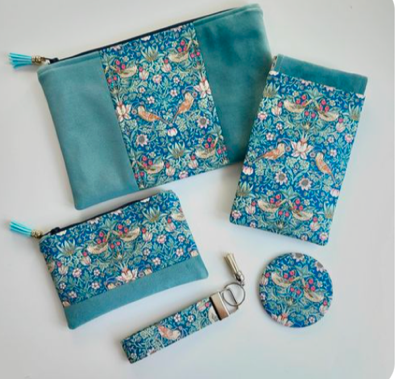
Quote-ready package
Category references
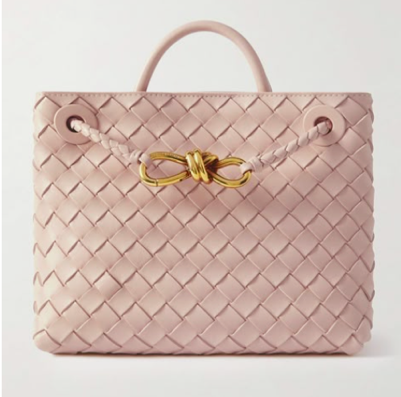
The photo gives the buyer and factory a shared reference for silhouette, carry function, and shelf presentation.
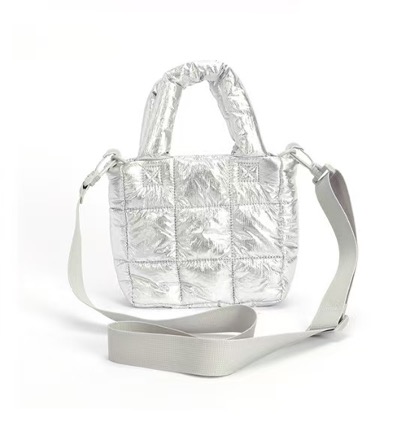
Material, trim, and proportion choices need to be settled before the sample review becomes serious.
Why this page matters
Commercial fit
Logo plate, zipper puller, woven label, dust bag, hangtag, tissue, box, and carton marks belong before sample approval.
Judge the sample against both construction accuracy and the retail presentation standard the brand expects.
Fashion brands, boutique labels, capsule programs, and merchandising teams that need controlled packaging and repeatable brand details.
Brand system production brief
Private label adds a repeatable brand system to the handbag construction. The system includes artwork ownership, logo applications, trim finish, inside labels, care information, protective packing, retail identifiers, and the way approved colors are recalled for replenishment. Treating these items as a late decoration package creates avoidable mismatches; treating them as controlled specifications lets the factory plan samples, component minimums, and future reorders coherently.
01 / Identity inventory
Create an inventory that covers exterior logos, metal plates, zipper pullers, embossing, woven or printed labels, lining marks, care labels, dust bags, hangtags, stickers, boxes, and carton marks. Each item needs artwork version, dimensions, color reference, placement, orientation, and supplier responsibility. This prevents an approved main logo from coexisting with outdated secondary marks on packaging or internal labels.
Brand review is complete when a single artwork register links every physical application to its approved file, size, color method, location, and proof owner.
02 / Presentation hierarchy
Define the customer-visible hierarchy: silhouette and exterior trim may carry the strongest signals, while lining, dust bag, tag stock, tissue, and box support the unboxing tier. Share target retail position and distribution channel so the factory can offer deliberate tradeoffs. A boutique shelf program, direct-to-consumer launch, and promotional capsule do not need identical packaging or component investment.
The proposed pack-out is commercially aligned when every premium element has a presentation purpose and lower-cost options are documented without weakening required brand cues.
03 / Golden sample
The golden sample record should capture logo position from fixed datum points, metal finish, emboss depth, label fold, stitch color, packaging sequence, and retail identifiers. Photograph critical details under consistent light and record acceptable variations where processes cannot be perfectly uniform. Sign-off should distinguish product construction approval from artwork, trim, and packaging approvals so a late tag change does not reopen the entire handbag.
Bulk may reference the golden sample when measured logo placement, approved finish masters, packaging order, barcode data, and signed deviations are attached to the release record.
04 / Reorder continuity
Record material codes, lining references, plated finish masters, thread colors, artwork files, packaging specifications, tooling ownership, and supplier component codes. Note storage limits and minimum reorder quantities for custom metal or printed packaging. If an exact component may not remain available, define the approval path for substitution before replenishment pressure turns a small change into an inconsistent product line.
A repeat order is supportable when the brand can reissue the controlled pack without reconstructing decisions from an old sample or an individual employee’s inbox.
Quote readiness
Private-label pricing needs a brand application schedule, not only a handbag photo. Share the retail tier, logo inventory, finish references, packaging sequence, artwork ownership, and reorder expectation so component minimums and approvals are visible before launch dates are promised.
Identity boundary
Link exterior, interior, accessory, retail, and carton applications to approved files and owners.
Presentation boundary
Use the channel and price posture to decide which presentation cues deserve component cost.
Approval boundary
Construction, artwork, finish, and pack-out approvals should remain distinguishable but traceable.
Continuity boundary
Capture the references needed to reproduce brand details when the program reorders.
Topic cluster hub
These links make the commercial path explicit for search engines and buyers: pillar page, product category, supplier comparison, proof, cost, and quote route should reinforce each other instead of acting like isolated pages.
Review Handbags MOQ, materials, sample lead, bulk lead, packing, and category-specific quote checkpoints.
Send Handbags quantity, destination, logo, packing, and sample requirements when the buying path is ready for pricing.
Use when buyers still need China-side MOQ, sampling, trim, and export-production context.
Use when the first decision is silhouette, material family, edge finish, and sample route.
Use when branded carry programs may shift from handbags into canvas totes or retail bags.
Use the broader route when branding applies across multiple bag categories.
Review zipper, buckle, logo plate, and trim choices before the first serious sample round.
Use this pillar when the buyer needs OEM or ODM development across multiple bag categories.
Buyer guides
These article links close the loop between search intent and commercial action: buyers can review proof, MOQ, sample, logo, packing, and QC details before sending a quote request.
Logo trim, retail packaging, MOQ, sample approval, and brand-presentation checks.
Compare print, embroidery, labels, patches, plates, pullers, and decoration sample checks.
Dimensions, material match, logo placement, zipper function, stitching, packing, and signoff.
Specification base
Quote-ready checklist
QC and production fit
Market fit
Share the destination market in the first RFQ. Labeling, packing, compliance language, carton strength, and freight assumptions can change by market even when the same bag design is used.
Before the RFQ
Read next
Use when buyers still need China-side MOQ, sampling, trim, and export-production context.
Use when the first decision is silhouette, material family, edge finish, and sample route.
Use when branded carry programs may shift from handbags into canvas totes or retail bags.
Use the broader route when branding applies across multiple bag categories.
Review zipper, buckle, logo plate, and trim choices before the first serious sample round.
FAQ
Private-label work adds brand presentation decisions such as logo hardware, labels, dust bags, hangtags, retail packaging, barcode rules, and repeatable trim execution.
Lock silhouette, size, material direction, logo method, hardware finish, lining, packaging tier, target market, and quantity range before the first serious sample.
Buyers can discuss logo plates, zipper pullers, buckles, woven labels, embossing, hangtags, and other brand details during the development route.
Control cost by narrowing trim complexity, choosing realistic materials, defining packaging early, and sharing a target FOB or retail price band.
Open the handbag category page for manufacturing basics, then logo options and hardware guides if the brand presentation layer is still undecided.