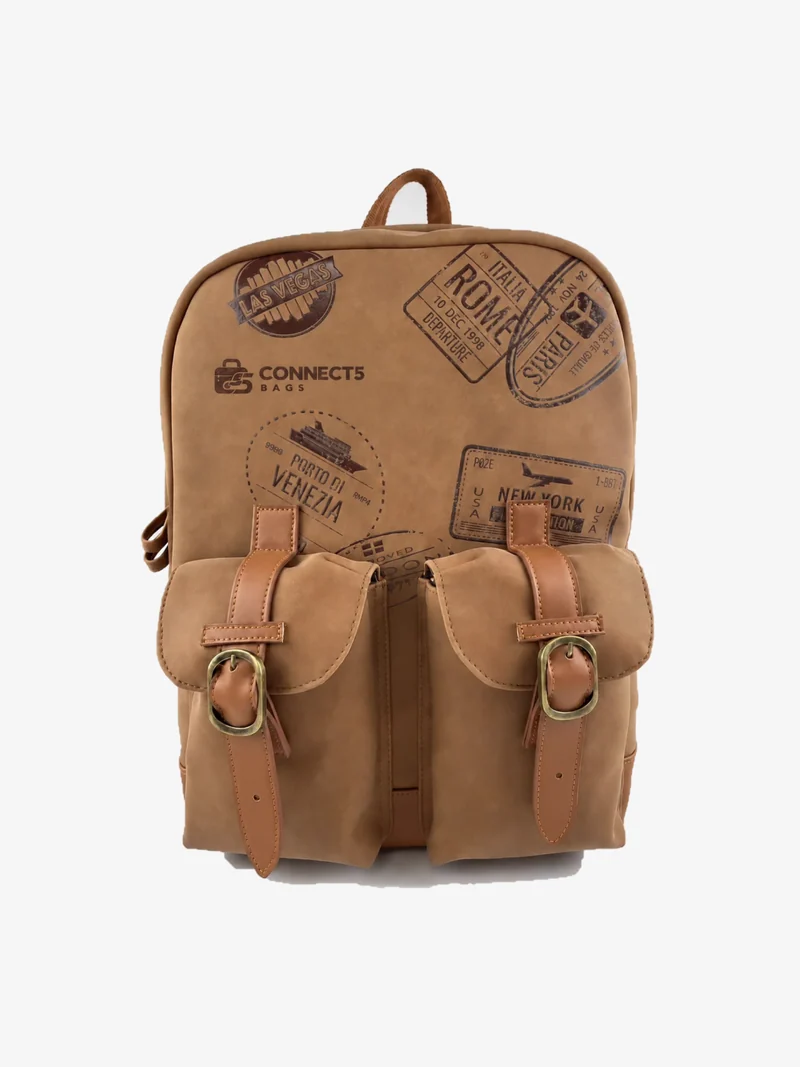
Bag quality control checklist
What to check on handbags, backpacks and kids bags, when to check it, and how AQL sampling decides whether a shipment passes. Copy the checklist into your own inspection brief.
On this page
When bags are inspected
- Incoming materials (IQC): fabric, leather, lining, zips and hardware are checked against the approved swatches and specification before cutting.
- Pre-production sample (PP sample): a bag made with bulk materials is approved by the buyer. It becomes the reference for every later check, so keep a sealed one on each side.
- In-line inspection: during sewing, line supervisors check the first pieces off each operation and catch repeated faults early.
- Pre-shipment (final random) inspection: once at least 80% of the order is finished and packed, a random sample is pulled from the cartons and inspected against the PP sample and the checklist below.
The checklist
Materials and colour
- Main fabric, lining and trims match the approved material, weight or denier and finish.
- Colour matches the approved lab dip or swatch under the agreed light source; no shade difference between panels of one bag.
- No holes, slubs, coating peel, cracks, scratches, stains or creases. Leather: grain and thickness consistent, no unacceptable marks in visible areas.
- No strong chemical smell; the bag is dry and free of mould.
Workmanship and stitching
- Stitch density as specified (stitches per inch, SPI, or per 3 cm); straight seams, even margins.
- No skipped, broken or loose stitches, no open seams, no puckering. Thread ends trimmed.
- Bartacks or box stitches at stress points: handle and strap ends, D-ring tabs, buckle loops.
- Edges: binding fully covers raw edges; leather edge paint smooth, even and not cracked.
- Panels symmetrical; pockets, logos and prints straight and at the specified position.
Zips, hardware and function
- Each zip opens and closes smoothly end to end several times; pullers firmly attached; no missing teeth.
- Buckles click and release; adjusters hold the strap length under load; magnets and snaps close.
- Metal hardware: no sharp edges, plating even, no rust or discoloration.
- Handle and strap pull test: the agreed weight is hung from the bag for the agreed time with no seam slippage or tearing.
Measurements and weight
- Height, width, depth, strap and handle drop measured on every sample bag, within the agreed tolerance.
- Empty weight within tolerance of the PP sample.
Branding, labels and packing
- Logo method, size, colour and position as approved; embroidery dense with no loose threads; prints sharp and not rubbing off.
- Brand label, care label and country-of-origin label present, legible and correctly placed. Children's products may also need a permanent tracking label for the US market.
- Stuffing, polybag (with suffocation warning where required), hangtag, barcode sticker and carton marks as specified; correct quantity and colour mix per carton.
Critical, major and minor defects
| Class | Meaning | Bag examples |
|---|---|---|
| Critical | Could harm the user or breaks a legal requirement | Sharp metal edge, needle fragment, small part a child can detach, missing mandatory label |
| Major | Likely to cause a return or makes the bag fail in use | Broken zip, open seam, strap that slips, wrong colour, logo in the wrong place, out-of-tolerance size |
| Minor | Visible flaw that most customers would still accept | Untrimmed thread, small mark that cleans off, slightly uneven stitch line |
How AQL sampling works
Inspecting every bag is rarely practical, so most buyers use acceptance sampling under ISO 2859-1. Two choices set the sample: the inspection level (General Level II is the usual default) and the AQL for each defect class. For consumer goods a common choice is 0 critical, 2.5 major, 4.0 minor.
| Order (lot) size | Bags inspected | Major: accept / reject | Minor: accept / reject |
|---|---|---|---|
| 501–1,200 | 80 | 5 / 6 | 7 / 8 |
| 1,201–3,200 | 125 | 7 / 8 | 10 / 11 |
| 3,201–10,000 | 200 | 10 / 11 | 14 / 15 |
| 10,001–35,000 | 315 | 14 / 15 | 21 / 22 |
Example: for 4,000 backpacks, 200 are inspected. The lot passes if there are 10 or fewer major defects and 14 or fewer minor defects among them, and no critical defect. Function tests (zip cycles, pull tests) are usually done on a smaller special sample. Check the code letters and numbers against the standard or your inspection company's table before you write them into a contract.
Extra checks for kids bags
Bags for children carry legal requirements that depend on the market. In the United States, products designed mainly for children aged 12 and under fall under the Consumer Product Safety Improvement Act (CPSIA): limits on lead and certain phthalates, a permanent tracking label, and a Children's Product Certificate based on testing at a CPSC-accepted laboratory. The EU, UK and other markets have their own chemical and labelling rules. Decide the market, the tests and the laboratory with your supplier before bulk production, and inspect for small detachable parts, sharp edges and secure zip pullers.
Quality control at Connect5
Our Guangdong factory is ISO 9001:2015 certified and complies with H&M standards, and inspection tables are part of our production floor (see About Us). Tell us your AQL, the tests you need and your inspection company when you request a quote, and we will plan sampling and inspection around them. The bag manufacturing process guide shows where each check fits.
Questions buyers ask
What AQL is normally used for bags?
Most buyers of consumer bags use General Inspection Level II with AQL 0 for critical, 2.5 for major and 4.0 for minor defects. Premium brands sometimes tighten major defects to 1.5.
When should a pre-shipment inspection happen?
When at least 80% of the order is finished and packed in cartons, so the inspector can pull a random sample that represents the whole lot.
How many bags are inspected in an order of 5,000?
Under ISO 2859-1 General Level II, a lot of 3,201–10,000 pieces has sample size code L: 200 bags are inspected.
What is a PP sample?
A pre-production sample: a bag made with the bulk materials and methods that the buyer approves before mass production. It is the reference for every later inspection.