Quote-ready package
First reply should answer cost, sample, and proof
MOQ signal
500 pcs
Sample checkpoint
10 to 14 days
QC and packing proof
Edge paint finish review + 1 pc / dust bag / protective tissue / carton
Category-intent page
Handbag buyers judge suppliers on silhouette control, trim quality, edge finish, and final presentation. The first inquiry should sound specific enough for a factory to discuss real construction choices.
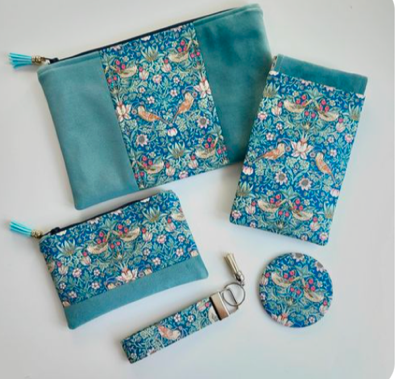
Quote-ready package
Category references
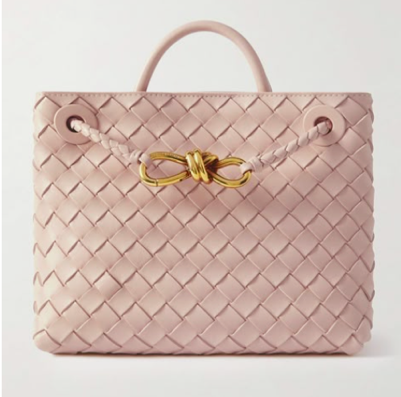
The photo gives the buyer and factory a shared reference for silhouette, carry function, and shelf presentation.
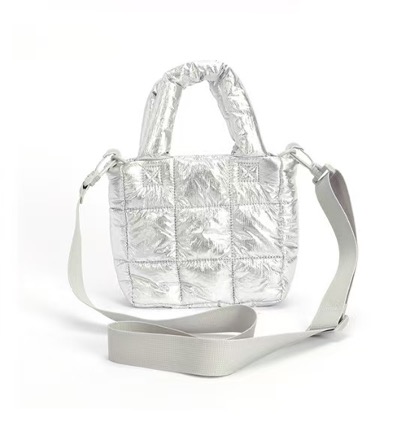
Material, trim, and proportion choices need to be settled before the sample review becomes serious.
Why this page matters
Commercial fit
Fashion collections, Department store programs, Premium private label
Edge paint colors, Logo plate and zipper pullers, Dust bag and hangtag sets
Edge paint finish review, Shape and stand test, Trim alignment and logo placement
Development control plan
A custom handbag project begins with construction decisions, not decoration. The useful development record identifies the intended silhouette, load, opening, structure, finish, and carry behavior before the factory commits pattern time or quotes custom components. These checkpoints keep revisions attributable: the buyer can distinguish a pattern issue from a material issue, and the sample room can show which change created a new cost or lead-time assumption.
01 / Silhouette architecture
Record finished dimensions, gusset depth, base construction, opening width, handle drop, strap option, closure type, and the expected empty-bag appearance. A structured top-handle style may need reinforcement, piping, or a board-backed base; a soft shoulder style needs a different pattern and seam allowance. Reference photos should be annotated so the sample maker knows which proportions are mandatory and which are only visual direction.
Approve when the sample stands, folds, opens, closes, and carries as specified without relying on camera angle or stuffing to hide shape problems.
02 / Material behavior
A material swatch does not predict the finished handbag by itself. Thickness, backing, grain direction, fold response, skiving, adhesive, lining weight, and edge-paint build all influence the final shape. The sample note should identify the tested combination and any substitute used during development. When a premium finish is expected, color and gloss tolerances should be compared under consistent lighting rather than judged from messaging-app photos.
Approve the material system only after corners, folded edges, handles, and high-contact areas show the intended hand feel and no visible delamination or color mismatch.
03 / Hardware engineering
List every buckle, ring, stud, magnet, zipper, puller, foot, and logo component with size, finish, attachment method, and location. Heavy metal can distort a soft body, while a weak backing patch can loosen after use. Generic development hardware may confirm function, but the approval record must say when plated or logo-specific parts will replace it. That prevents a provisional sample from becoming an accidental bulk standard.
Release custom hardware only when attachment reinforcement, finish family, logo orientation, opening force, and contact points are signed off together.
04 / Revision ledger
Number each sample and keep a concise change list: measurement correction, pattern adjustment, construction improvement, material replacement, trim revision, or presentation update. The buyer should mark whether each item is required, preferred, or optional for cost comparison. A final pre-production sample then becomes a reproducible reference instead of a collage of comments spread across email threads, photos, and chat messages.
The production handoff is ready when the approved sample number, measurement sheet, bill of materials, artwork files, packaging note, and unresolved deviations agree.
Quote readiness
Custom development pricing becomes useful only after the factory can see the construction boundary. Share the reference silhouette, measurable size, material behavior, hardware posture, finish level, and revision expectation before comparing sample or bulk figures.
Pattern boundary
These decisions define the base pattern and determine whether the reference can be adapted or requires a new structure.
Finish boundary
Treat the exterior, reinforcement, lining, adhesive, and edge finish as a connected build rather than separate swatches.
Trim boundary
Confirm size, load, attachment, and plating direction before committing custom logo metal or minimum-order components.
Approval boundary
Bulk assumptions should point to one approved reference and one controlled list of remaining deviations.
Topic cluster hub
These links make the commercial path explicit for search engines and buyers: pillar page, product category, supplier comparison, proof, cost, and quote route should reinforce each other instead of acting like isolated pages.
Review MOQ, finish-sensitive notes, and premium program fit.
Send Handbags quantity, destination, logo, packing, and sample requirements when the buying path is ready for pricing.
Use this route when the buyer needs China-side sampling, MOQ, trim, and export-production context.
Use when logo hardware, dust bags, hangtags, and branded pack-out drive the project.
Use for canvas carry programs where fabric weight, logo visibility, and repeat use matter.
Check logo plates, pullers, buckles, and other trim choices before sample approval.
Use this pillar when the buyer needs OEM or ODM development across multiple bag categories.
Use this route when the buyer is comparing supplier, factory, and trading-company options.
Buyer guides
These article links close the loop between search intent and commercial action: buyers can review proof, MOQ, sample, logo, packing, and QC details before sending a quote request.
Logo trim, retail packaging, MOQ, sample approval, and brand-presentation checks.
Dimensions, material match, logo placement, zipper function, stitching, packing, and signoff.
Compare print, embroidery, labels, patches, plates, pullers, and decoration sample checks.
Specification base
Quote-ready checklist
QC and production fit
Market fit
Share the destination market in the first RFQ. Labeling, packing, compliance language, carton strength, and freight assumptions can change by market even when the same bag design is used.
Before the RFQ
Read next
Use this route when the buyer needs China-side sampling, MOQ, trim, and export-production context.
Use when logo hardware, dust bags, hangtags, and branded pack-out drive the project.
Use for canvas carry programs where fabric weight, logo visibility, and repeat use matter.
Review MOQ, finish-sensitive notes, and premium program fit.
Check logo plates, pullers, buckles, and other trim choices before sample approval.
FAQ
Late changes to shape, edge finish, hardware, or packaging usually slow this category more than the base sample lead itself.
Lock silhouette direction, size, main material, hardware posture, and packaging expectations so the first sample is judged on the right criteria.
Because premium handbags are evaluated as complete retail products. Dust bags, tissue, boxes, and hangtags often shape both the cost and the approval standard.