Quote-ready package
First reply should answer cost, sample, and proof
MOQ signal
500 pcs
Sample checkpoint
10 to 14 days
QC and packing proof
Edge paint finish review + 1 pc / dust bag / protective tissue / carton
China category page
Handbag buyers searching for a China manufacturer usually need proof that the factory can handle shape, finishing, hardware, sample revisions, and packaging. The search should lead to practical sourcing decisions, not only gallery photos.
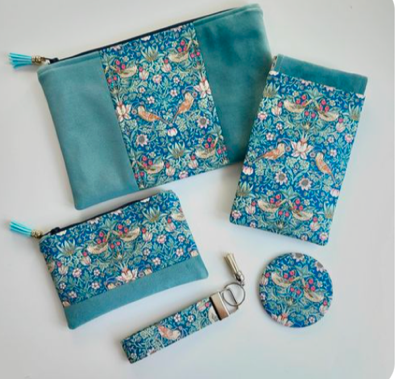
Quote-ready package
Category references
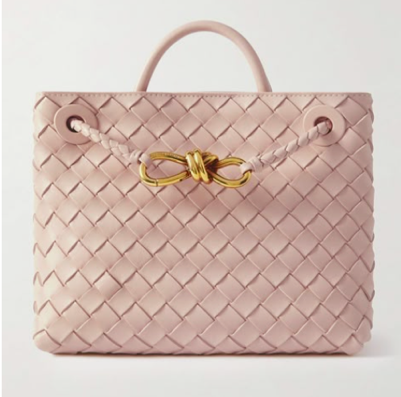
The photo gives the buyer and factory a shared reference for silhouette, carry function, and shelf presentation.
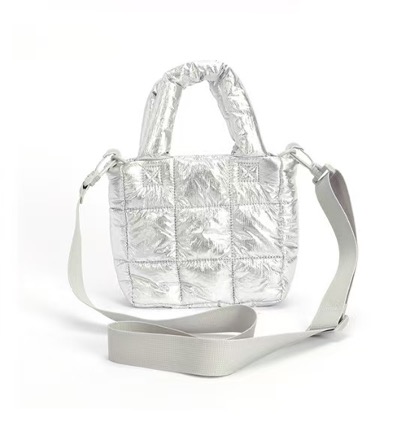
Material, trim, and proportion choices need to be settled before the sample review becomes serious.
Why this page matters
Commercial fit
Sampling, pattern review, material matching, trim confirmation, and pre-production sample approval should happen before volume commitments.
Shape, handle proportion, edge finish, stitching, logo hardware, dust bag, and pack-out need one product-presentation review.
Private-label fashion brands, department-store programs, boutique capsule lines, and buyers comparing China handbag suppliers.
China supplier due diligence
Searching by country is only a starting filter. A sourcing team still needs to identify who owns development, who purchases materials, where branded components are controlled, which facility performs bulk work, and who answers when inspection finds a deviation. The following checks turn a geographic search into a supplier assessment that procurement, product, and quality teams can review without relying on a marketplace profile alone.
01 / Operating model
Ask the supplier to describe the path from inquiry through sampling, purchase order, material booking, cutting, sewing, finishing, inspection, and export. The answer should identify which activities are managed directly and which are placed with specialist partners such as plating, printing, embroidery, or packaging vendors. This map matters more than a broad factory label because it shows where schedule, intellectual-property, and quality risks actually sit.
The route is reviewable when the quotation entity, production locations, specialist processes, and responsible contact are named consistently across the supplier profile and RFQ response.
02 / Sample-room evidence
A capable sample room should interpret measurements, pattern comments, material limitations, hardware attachments, and finish expectations rather than only copy a photograph. Use one development round to check response quality: request a measurement report, annotated deviation list, close-up construction photos, and a clear statement of provisional materials. The point is not to demand paperwork for its own sake, but to see whether the supplier can preserve decisions between revisions.
Shortlist when sample comments return as measurable changes with version control, not as an unexplained replacement sample that resets the discussion.
03 / Bulk handoff
Where development and volume production occur in different facilities, ask who transfers patterns, approved materials, trim masters, packaging files, and defect criteria. A pre-production meeting or sealed approval sample should connect the teams. The sourcing plan should also state whether the China team remains accountable for material confirmation, inline findings, and corrective action after the order moves to the bulk factory.
The handoff is credible when one approved sample, one specification pack, and one escalation owner remain authoritative through pilot output and final inspection.
04 / Export release
Compare offers on the same Incoterm, destination context, carton plan, labeling requirement, inspection scope, and document set. Low unit prices can conceal different packaging, excluded testing, or an unrealistic material allowance. For retail handbags, dust bags, tissue, tags, barcode labels, carton marks, moisture controls, and carton strength can materially change both cost and release readiness.
A comparable quote states currency, trade term, validity, quantity break, tooling, packing, sample treatment, production lead, inspection point, and exclusions.
Quote readiness
A China supplier comparison should expose the operating route behind the price. Give every candidate the same product brief and require the reply to separate development, bulk production, specialist processing, packing, quality release, and export assumptions.
Entity check
Match the company named on the offer with the team, sample room, facilities, and export role described during qualification.
Capability check
Use measurements, deviations, material notes, and versioned approvals to test whether feedback survives the next round.
Handoff check
Development and bulk teams need one authoritative standard and a person responsible for deviations.
Commercial check
Do not compare unit prices until the offers describe the same release and shipment boundary.
Topic cluster hub
These links make the commercial path explicit for search engines and buyers: pillar page, product category, supplier comparison, proof, cost, and quote route should reinforce each other instead of acting like isolated pages.
Review MOQ, sample lead, premium finish notes, case snapshots, and category-specific FAQ.
Send Handbags quantity, destination, logo, packing, and sample requirements when the buying path is ready for pricing.
Best when custom shape, trim, and private-label presentation are the main concern.
Use when the quote depends on logo hardware, hangtags, dust bags, and retail packaging.
Use when the buyer may be comparing handbags with canvas tote or branded carry programs.
Use proof language when sourcing or compliance teams need supplier confidence before the RFQ.
Use the supplier profile when the page needs entity context, factory route, or directory-ready proof links.
Use this pillar when the buyer needs OEM or ODM development across multiple bag categories.
Buyer guides
These article links close the loop between search intent and commercial action: buyers can review proof, MOQ, sample, logo, packing, and QC details before sending a quote request.
Logo trim, retail packaging, MOQ, sample approval, and brand-presentation checks.
Dimensions, material match, logo placement, zipper function, stitching, packing, and signoff.
Sample proof, MOQ logic, category fit, QC, packing, and export-readiness questions before RFQ.
Specification base
Quote-ready checklist
QC and production fit
Market fit
Share the destination market in the first RFQ. Labeling, packing, compliance language, carton strength, and freight assumptions can change by market even when the same bag design is used.
Before the RFQ
Read next
Best when custom shape, trim, and private-label presentation are the main concern.
Use when the quote depends on logo hardware, hangtags, dust bags, and retail packaging.
Use when the buyer may be comparing handbags with canvas tote or branded carry programs.
Review MOQ, sample lead, premium finish notes, case snapshots, and category-specific FAQ.
Use proof language when sourcing or compliance teams need supplier confidence before the RFQ.
Use the supplier profile when the page needs entity context, factory route, or directory-ready proof links.
FAQ
Compare sample-room discipline, handbag category experience, trim and hardware control, finishing quality, packaging capability, MOQ, QC checkpoints, and export handling.
Yes. China-side sampling can review silhouette, material direction, trim, hardware, logo placement, lining, packaging, and sample revisions before production planning.
Handbag programs often start around 500 pcs per style, but MOQ depends on material, custom hardware, color, packaging, and finish complexity.
Send silhouette reference, size, material family, trim direction, logo method, packaging expectation, quantity range, destination market, and target retail or FOB position if available.
Dust bags, tissue, hangtags, boxes, barcodes, and carton rules affect both cost and the approval standard for private-label handbag programs.