Bag materials compared
The fabrics and leathers most bags are made from, how they compare on durability, water resistance, weight and cost, and what denier and ounce weights actually mean.
On this page
Comparison chart
| Material | Durability | Water resistance | Weight | Relative cost | Typical uses |
|---|---|---|---|---|---|
| Polyester (300D–900D) | Good | Good with PU or PVC coating | Light to medium | Low | School and everyday backpacks, kids bags, promotional bags |
| Recycled polyester (rPET) | Similar to virgin polyester of the same construction | Good with coating | Light to medium | Low to medium | Backpacks and totes with a recycled-content claim |
| Nylon (210D–420D) | Very good; stronger and softer than polyester of the same denier | Good with coating | Light | Medium | Lightweight backpacks, packable bags, crossbodies |
| Ripstop nylon or polyester | Very good tear resistance (reinforcing grid) | Good with coating | Very light | Medium | Outdoor and travel backpacks, linings |
| Ballistic nylon (1050D–1680D) | Excellent abrasion resistance | Good | Heavy | Medium to high | Travel bags, laptop bags, bases and trims |
| Cotton canvas (8–20 oz) | Good, improves with weight | Low unless waxed or coated | Medium to heavy | Low to medium | Totes, heritage backpacks, duffels |
| PU (polyurethane) leather | Fair to good; surface can peel with age | Good | Light to medium | Low to medium | Fashion handbags, wallets, trims |
| PVC (vinyl) and TPU | Good | Excellent | Medium | Low to medium | Clear bags, waterproof bags, coated kids bags |
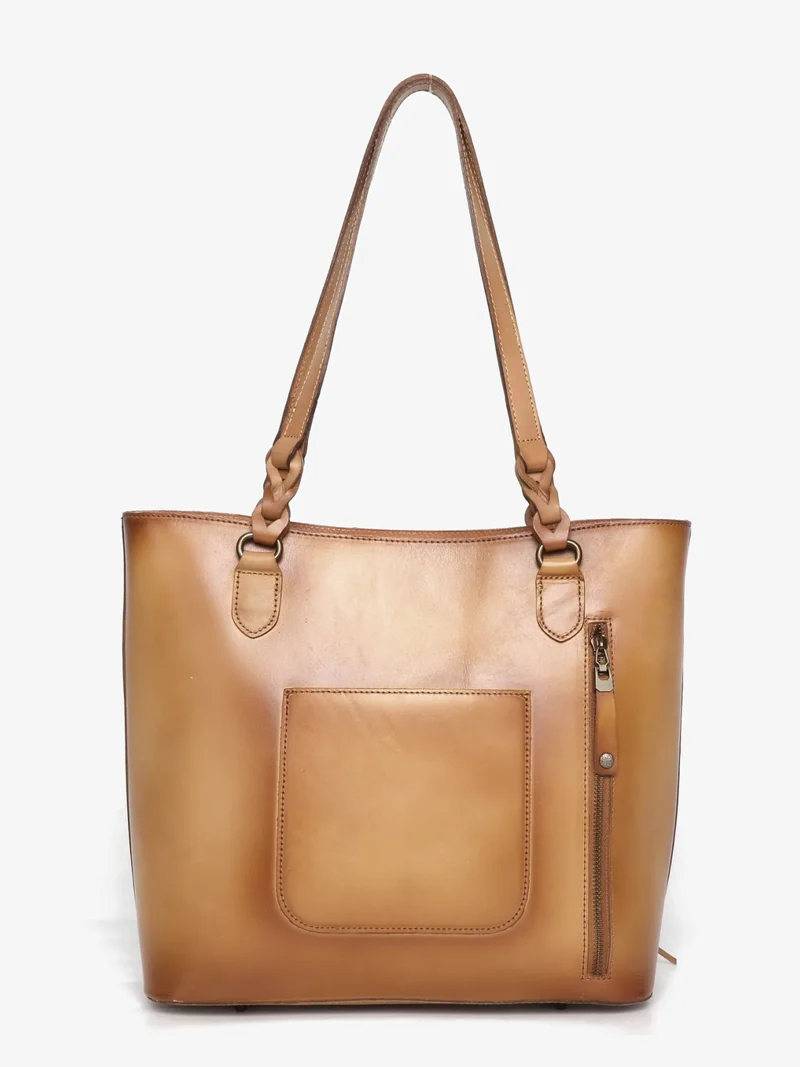
| Genuine leather | Excellent when well made; ages with use | Moderate; depends on finish | Heavy | High | Premium handbags, totes, wallets, men's bags |
| Neoprene | Good | Good | Light | Medium | Laptop sleeves, lunch and bottle bags, beach totes |
What denier and ounce weights mean
Denier (D) is the thickness of the yarn: the mass in grams of 9,000 metres of a single fibre strand. 600D polyester uses heavier yarn than 300D. It is not a full measure of strength: a tight 420D nylon can outlast a loose 600D polyester, and weave, thread count and coating matter as much as the number. When comparing quotes, ask for the fabric weight in g/m² as well as the denier.
Ounces (oz) are used for canvas: the weight of one square yard of fabric. 10–12 oz canvas suits totes; 16–20 oz suits structured bags and bases.
Coatings on the back of the fabric (PU, PVC, TPU) add water resistance and body. Seams and zips are the weak points for water, so a coated fabric alone does not make a bag waterproof.
Genuine leather grades
- Full-grain: the full top surface of the hide with its natural grain. The most durable and the most expensive; marks and variation are part of its character.
- Top-grain: the surface is lightly sanded and finished for a more even look. Common in quality handbags.
- Split leather: the lower layers of the hide, often with an applied coating or embossed grain. Cheaper and less durable; used for linings, suede and lower-priced bags.
- Bonded leather: leather fibres bound with a polymer. Not suitable for bags that need to last.
Leather is also described by tanning (chrome-tanned is soft and consistent; vegetable-tanned is firmer and develops a patina) and by thickness in millimetres.
Best backpack material: nylon vs polyester
For most backpacks the choice is between polyester and nylon. Polyester (usually 300D–600D with a PU coating) is the standard for school and everyday backpacks: it holds colour and prints well, resists UV fading and keeps the price down. Nylon (210D–420D, often ripstop) is stronger and more abrasion resistant for its weight and feels softer, so it suits lightweight, travel and premium backpacks. Ballistic nylon or heavy polyester is used where the bag takes the most wear: the base, corners and trims.
600D polyester is the most common single answer to “what is a school backpack made of”: heavy enough to last a school year, light enough for children, and easy to print.
Choosing a material for the job
- School backpacks: 600D polyester with a PU coating is the industry workhorse; add a heavier base fabric where the bag is set down.
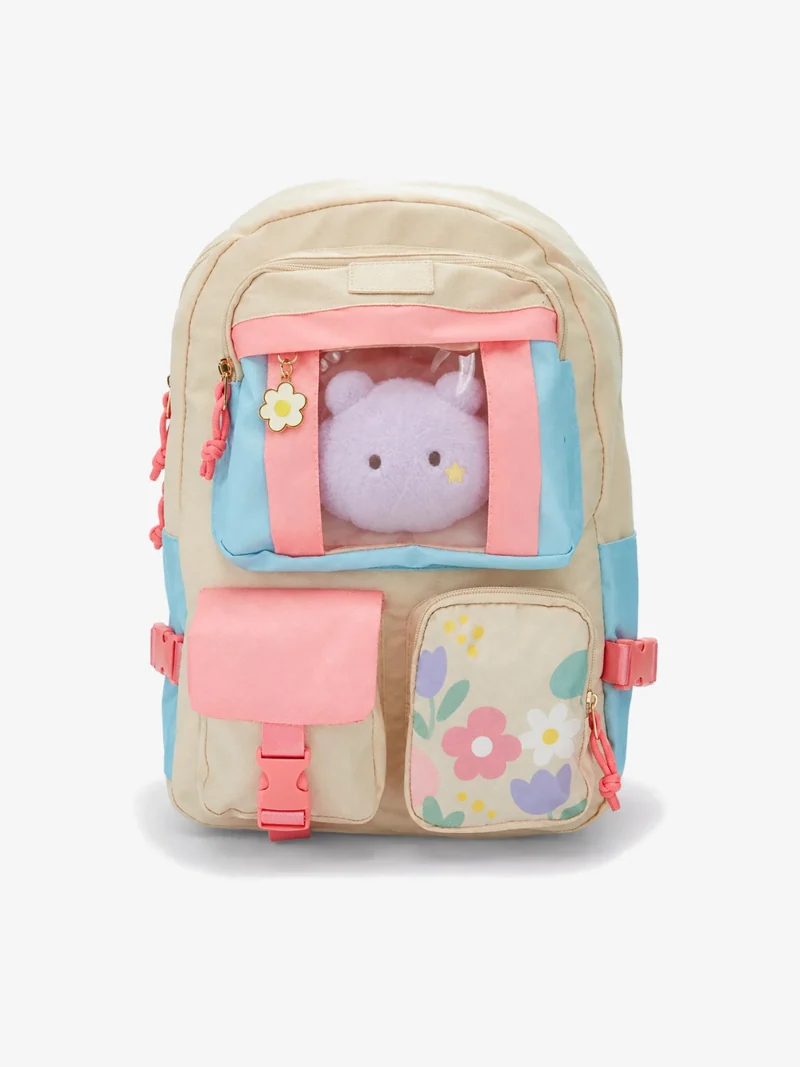
- Kids bags: light, wipe-clean fabrics or coated surfaces; check the chemical rules of your market before choosing coatings and prints.
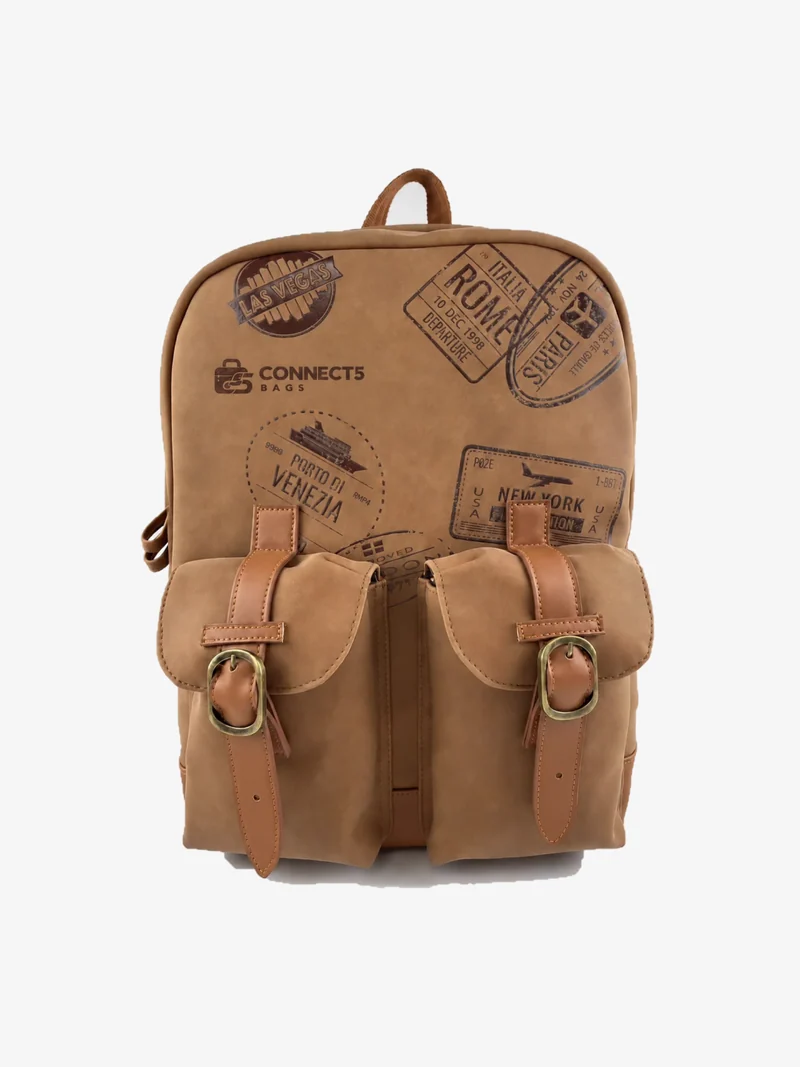
- Everyday and men's backpacks: nylon or polyester twill for a cleaner look; ballistic fabric on the base and trims of travel bags.
- Fashion handbags: PU leather for price and colour range; genuine leather for premium lines; quilted or textured fabrics for seasonal styles.
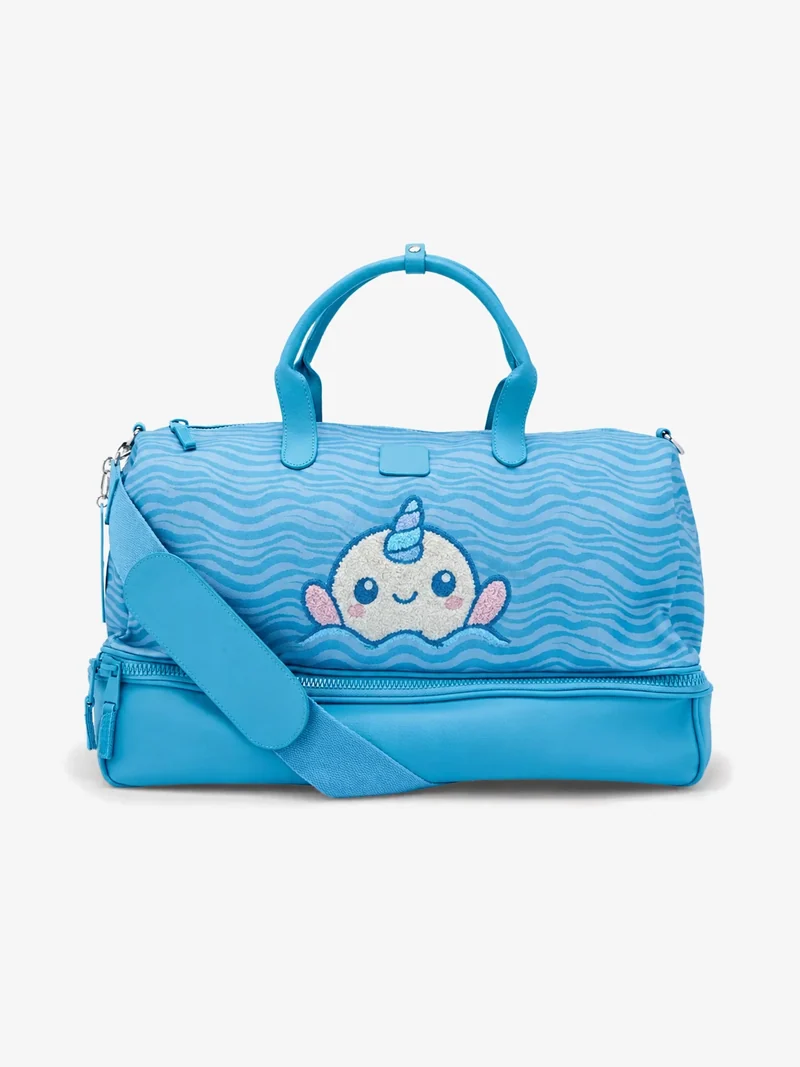
- Duffels and weekenders: heavy canvas, ballistic nylon or leather, with reinforced handles and base.
Hardware and zips need the same care as fabric: zinc-alloy hardware with even plating, coil zips sized to the opening (#5 for pockets, #8–#10 for main compartments), and webbing to match the load. See the parts of a backpack.
Materials at Connect5
We develop each order with the materials the brief and price call for. Our style pages describe what the photographs show and do not state fibre content, because that is agreed with you per order. Browse the leather bag, fashion bag and backpack collections, then email the style name with the material you have in mind and we will send swatches or alternatives.
Questions buyers ask
Is nylon or polyester better for backpacks?
Nylon is stronger, softer and more abrasion resistant than polyester of the same denier, but costs more. Polyester holds colour well, resists UV and is the more economical choice for school and everyday backpacks.
What does 600D mean on a bag?
The yarn in the fabric is 600 denier: 9,000 metres of a single strand weighs 600 grams. It is a common weight for school backpacks, usually with a PU coating.
What is the most durable material for a bag?
For fabrics, ballistic nylon (1050D–1680D) has the best abrasion resistance. Among leathers, full-grain is the most durable.
Is PU leather the same as vegan leather?
Most products sold as vegan leather are PU (polyurethane) coated fabrics. They contain no animal leather but are plastic-based, so they are not automatically more sustainable.