Quote-ready package
First reply should answer cost, sample, and proof
MOQ signal
450 to 1,000+ pcs by category
Sample checkpoint
7 to 16 days by complexity
QC and packing proof
Sample approval + final inspection + export pack-out
Factory-intent page
A useful bag factory page should show more than product photos. Buyers need to understand category fit, sample-room work, proof, QC, packaging, production handoff, and how to open a quote conversation.
Quote-ready package
Factory proof
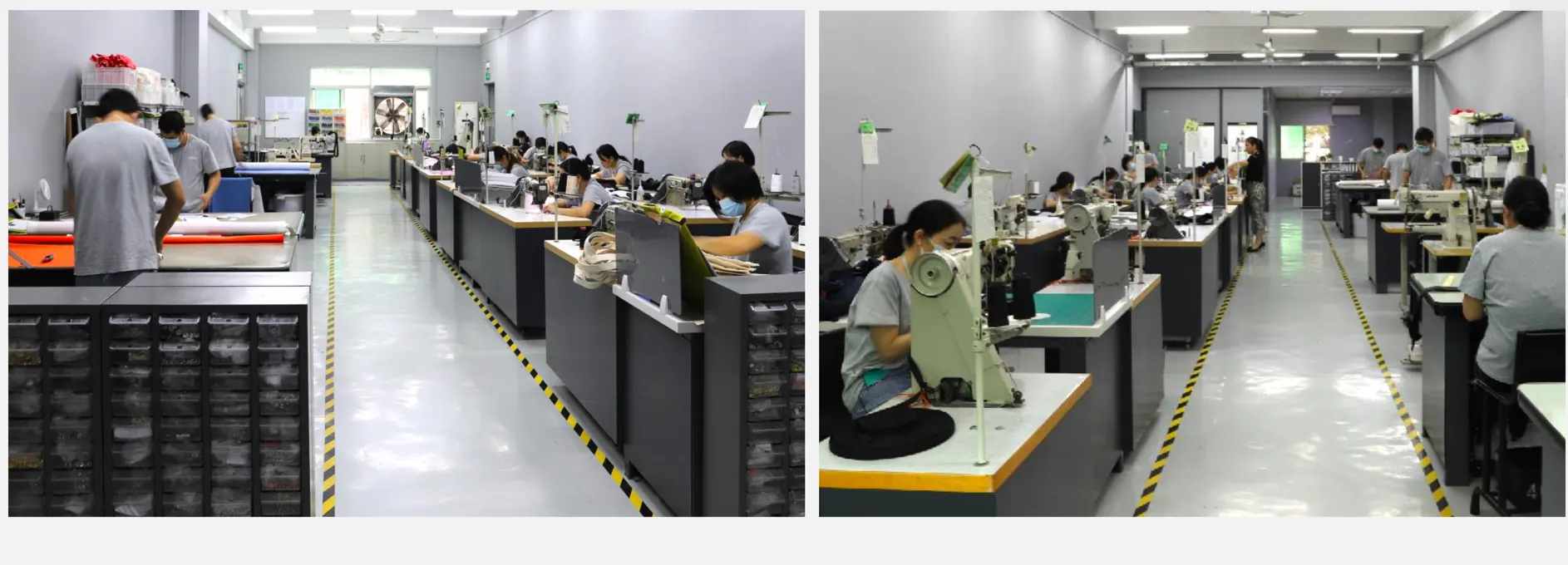
Use the sample-room route when the buyer needs trims, material confirmation, and early construction review.
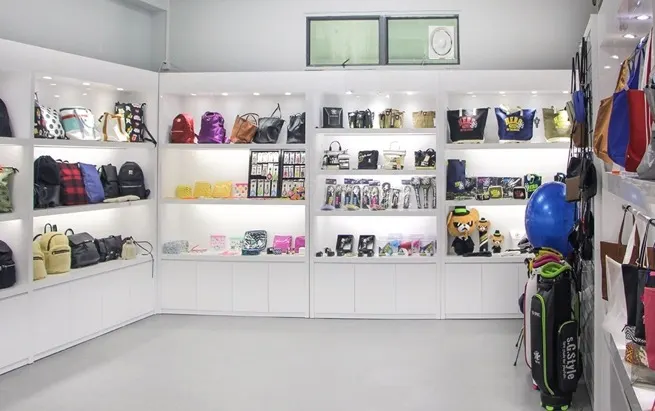
China-side work supports development, technical review, material confirmation, and production handoff.
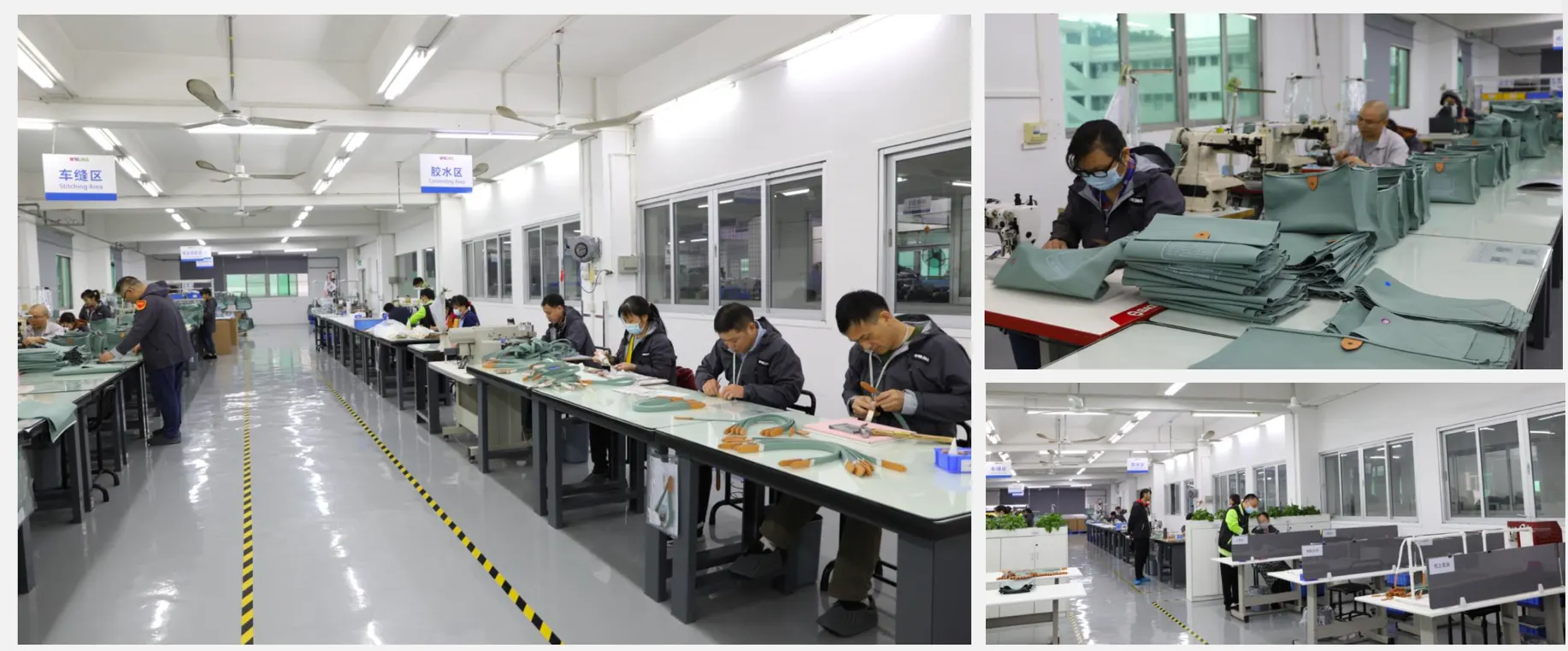
Production proof matters when the buyer needs a route that can move from sample approval into export-ready output.
Why this page matters
Commercial fit
Buyers need enough detail to ask about factory structure, sample workflow, QC language, packaging flow, and relevant category references.
Handbags, totes, crossbody bags, cosmetic bags, backpacks, sports bags, duffels, and travel bags each need their own production logic.
The first quote request should include category, quantity, market, target material, logo method, packaging, and whether proof or sampling comes first.
Commercial intent map
This page should not behave like a passive article. It needs to separate buyers who are ready for a quote from buyers who still need category, proof, supplier, or cost context before they can send a usable RFQ.
The buyer can already share category, quantity, destination, reference image, and logo or packing needs.
The buyer needs to compare handbags, tote bags, backpacks, cosmetic bags, sports bags, or travel bags before pricing.
The procurement team must validate sampling, QC, factory background, and export handling before opening a quote.
The buyer is comparing factory, supplier, OEM, private-label, and trading-company routes.
Quote readiness
A buyer with commercial intent wants fewer generic claims and more decision constraints. These are the points that change MOQ, lead time, sample route, QC effort, and final FOB assumptions.
Quantity posture
The first quote depends on bag type, material, logo method, color count, and packing.
Sample timing
Use sampling to lock shape, trim, material, logo position, and pack-out before bulk pricing.
Bulk timing
Bulk timing changes with material availability, production complexity, QC, and carton plan.
Packing method
Packing should be confirmed before freight and final FOB comparisons.
Buyer proof stack
Commercial visitors need evidence they can forward internally: sample decisions, QC checkpoints, packing assumptions, and a clear route from proof to RFQ.
A credible bag factory page should explain sample development, material and trim confirmation, QC, and export packing.
Broad factory searches should move into category pages, proof, capabilities, and a clean RFQ.
Share the destination market in the first RFQ. Labeling, packing, compliance language, carton strength, and freight assumptions can change by market even when the same bag design is used.
Topic cluster hub
These links make the commercial path explicit for search engines and buyers: pillar page, product category, supplier comparison, proof, cost, and quote route should reinforce each other instead of acting like isolated pages.
Choose the closest product family before asking for precise MOQ and pricing.
Use this pillar for sourcing teams comparing China factory capability, production route, QC, and export support.
Review proof, QC, and compliance support before supplier approval.
Use this pillar when the buyer needs OEM or ODM development across multiple bag categories.
Use this route when the buyer is comparing supplier, factory, and trading-company options.
Use this guide when price depends on MOQ, material, trim, logo method, packing, and lead-time tradeoffs.
Buyer guides
These article links close the loop between search intent and commercial action: buyers can review proof, MOQ, sample, logo, packing, and QC details before sending a quote request.
Sample proof, MOQ logic, category fit, QC, packing, and export-readiness questions before RFQ.
Specs, samples, material direction, packaging, QC checkpoints, and bulk quote inputs.
Dimensions, material match, logo placement, zipper function, stitching, packing, and signoff.
Before the RFQ
Read next
FAQ
Check category fit, sample-room capability, material and trim control, QC checkpoints, packaging support, export handling, factory proof, and whether the supplier explains next steps clearly.
A factory route needs to explain development, sampling, production handoff, QC, and packing. A trading company may source broadly, but buyers still need clarity on who controls manufacturing.
Open the product category if the bag type is clear, or open factory proof if the sourcing team needs supplier confidence before a quote.
Category, target quantity, destination market, reference image, size, material direction, logo method, packaging, and compliance needs create a much more useful first reply.
Leave your message here and the factory team can follow up from the lead queue. You can also use the email fallback anytime.