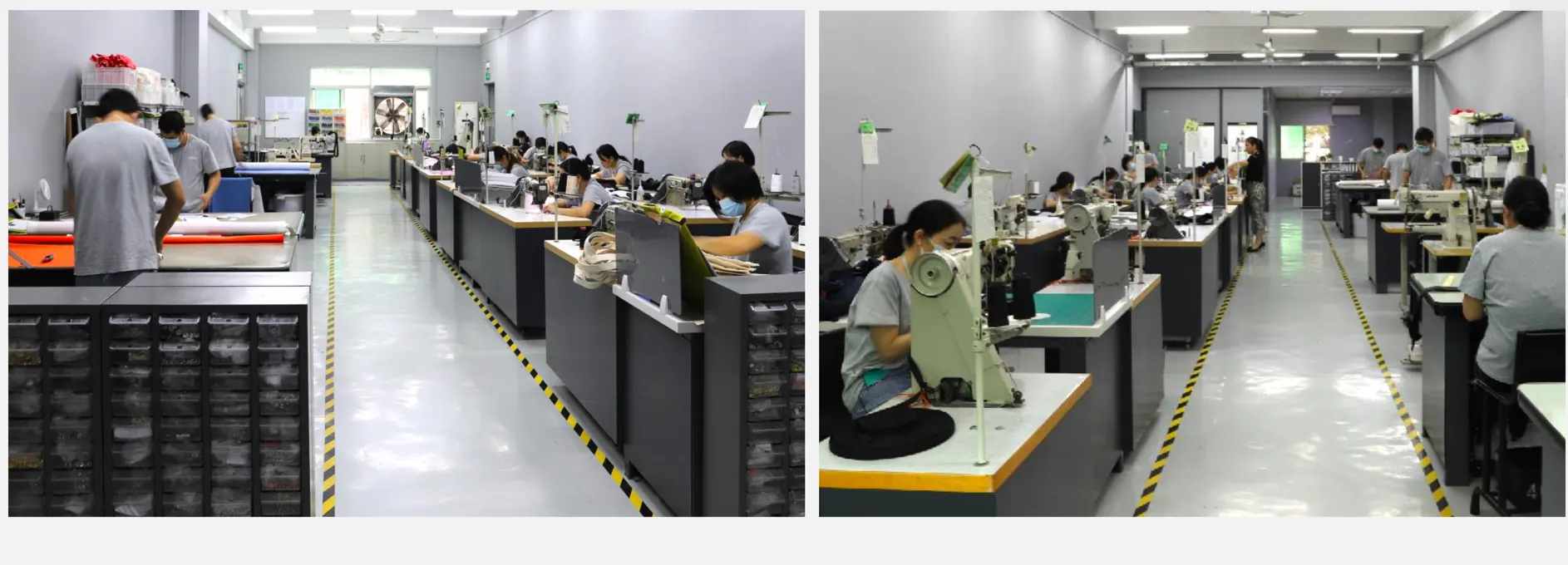
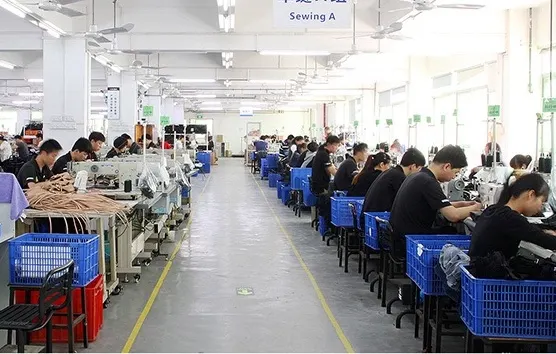
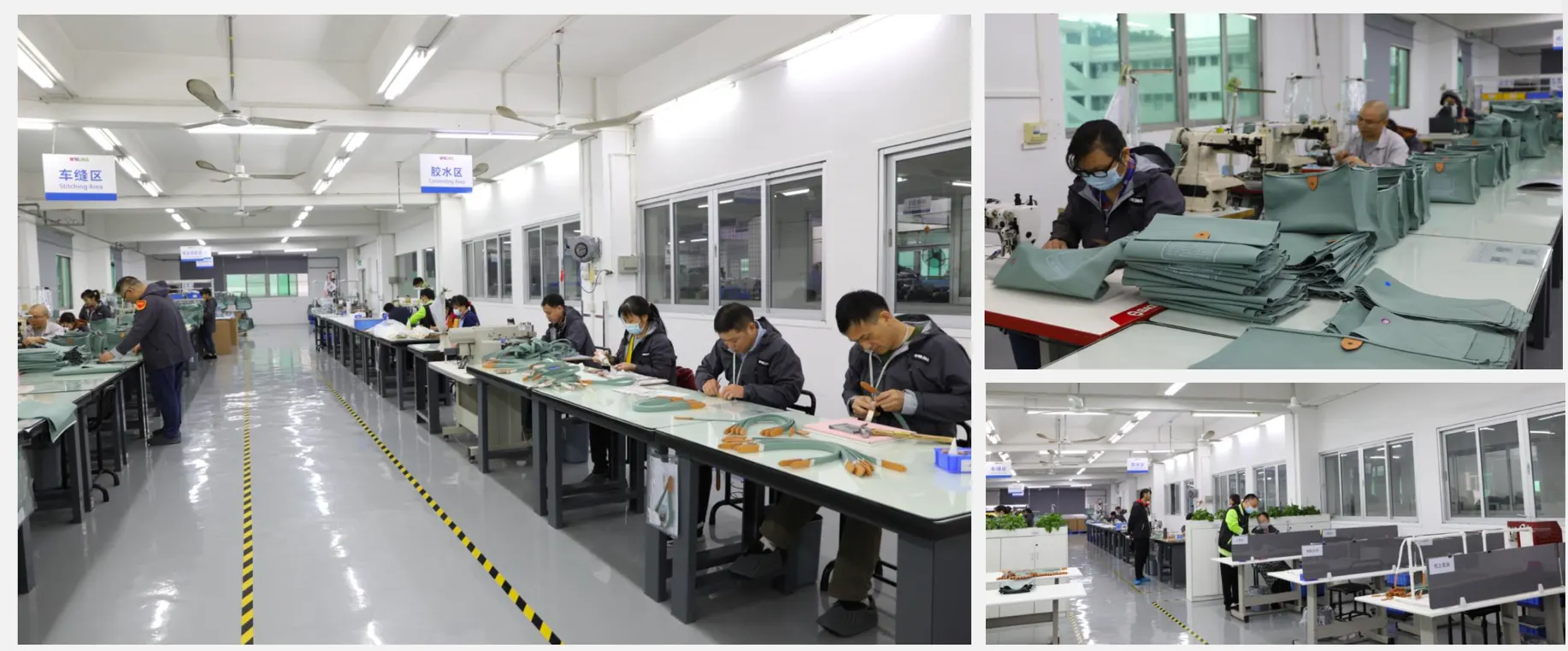
This comparison matters because buyers often confuse supplier type with supplier quality. The real question is who controls development, who owns the production conversation, and how much visibility you need before committing to the order.
Decision proof
Compare visible factory proof instead of relying on written claims alone
Documentary · Connect5-suppliedPublished as provided by Connect5; not independently verified.
01Sample capability
Sourcing decisions should check how samples, trims, and revisions are handled before price becomes the only comparison.
Documentary · Connect5-suppliedPublished as provided by Connect5; not independently verified.
02Factory route
A stronger supplier comparison explains which factory work happens before, during, and after sample approval.
Documentary · Connect5-suppliedPublished as provided by Connect5; not independently verified.
03Production proof
Production and QC proof reduce the risk of choosing a supplier from copy alone.
What to compare
Check these points before price drives the decision
A direct manufacturer usually gives better visibility into category fit, sampling, trim confirmation, and production constraints.
A trading company may still be useful when a buyer needs broader sourcing coverage or multi-factory coordination.
The buyer should compare not just price, but who answers technical questions, who manages revisions, and who is responsible when quality drifts.
If the project depends on proof packs, QC discipline, and category-level know-how, the operating model matters more than the label alone.
Decision paths
How buyers usually separate the right route from the wrong one
Choose a manufacturer-first route when
You need deeper sample-room access, category-specific technical feedback, and cleaner accountability on production details.
Use a trading structure when
You need wide supplier aggregation or different product families that do not naturally sit with one factory group.
What Connect5 signals publicly
Connect5 leans into factory proof, category pages, sample logic, and QC explanations so buyers can evaluate an operator-led route more directly.
Mistakes to avoid
The comparison usually breaks down when these details are skipped
The word “manufacturer” does not automatically mean better communication or better QC without proof.
A trading company is not automatically bad quality; the issue is usually visibility and control.
Compare the models only after asking who will actually own sampling, revisions, inspection, and shipment release updates.
Questions buyers raise when the sourcing choice becomes real
Is a bag manufacturer always better than a trading company?
Not automatically. The better choice depends on whether the project needs direct factory visibility, category depth, and tighter control over development and QC, or whether broader sourcing coverage matters more.
What should buyers ask first when comparing the two?
Ask who owns sample development, who answers technical production questions, who manages quality issues, and how shipment updates are communicated.
How does Connect5 position itself in this comparison?
The public site emphasizes factory proof, category pages, sample control, and QC language so buyers can evaluate a more factory-led operating model.
Essential site functions stay on. Analytics, marketing measurement, and live chat session storage are optional and can be changed later. Privacy policy