Strong sourcing decisions usually come from comparing capability, proof, and communication quality before negotiating price. Buyers should answer these questions before they move into supplier shortlisting.
Decision proof
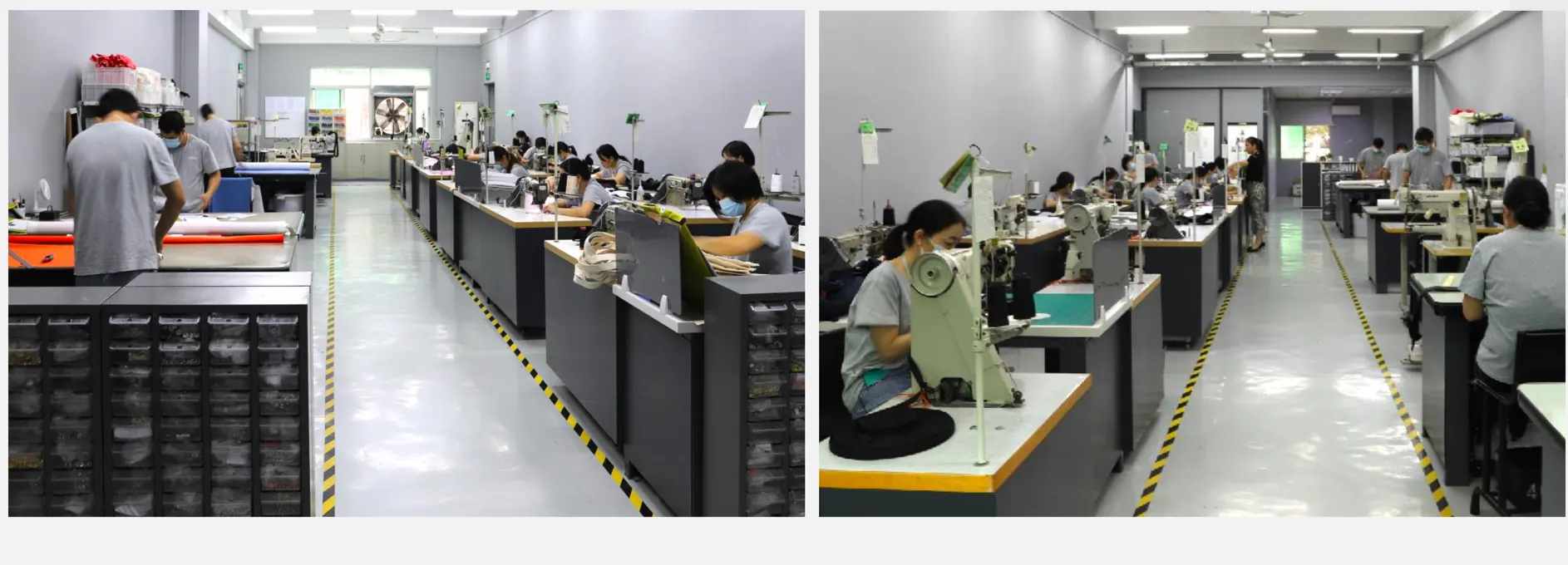
Compare visible factory proof instead of relying on written claims alone
Documentary · Connect5-suppliedPublished as provided by Connect5; not independently verified.
01Sample capability
Sourcing decisions should check how samples, trims, and revisions are handled before price becomes the only comparison.
Documentary · Connect5-suppliedPublished as provided by Connect5; not independently verified.
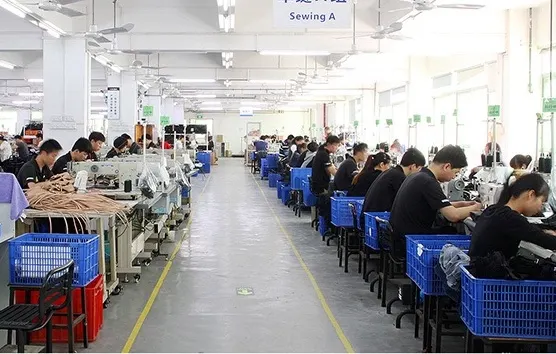
02Factory route
A stronger supplier comparison explains which factory work happens before, during, and after sample approval.
Documentary · Connect5-suppliedPublished as provided by Connect5; not independently verified.
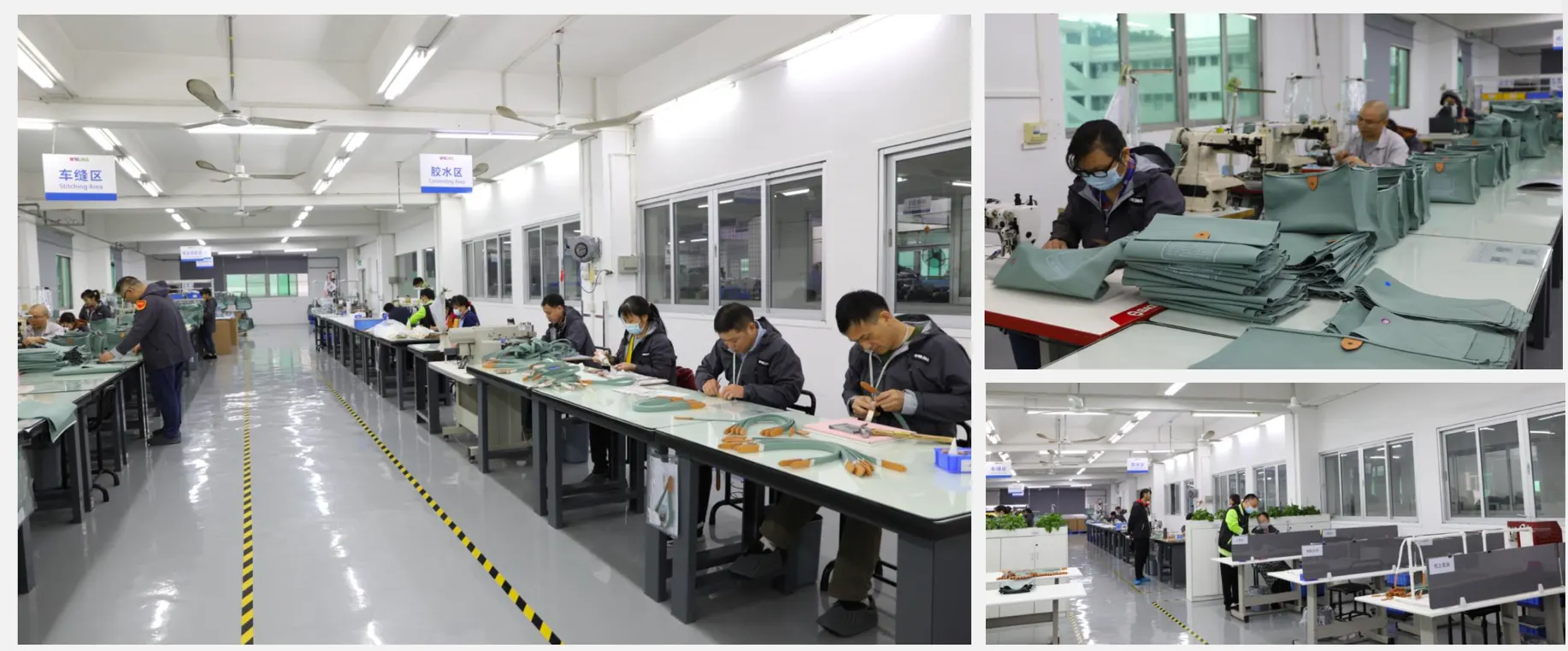
03Production proof
Production and QC proof reduce the risk of choosing a supplier from copy alone.
What to compare
Check these points before price drives the decision
Check whether the factory already works in the category you need, not only whether it claims broad experience.
Ask where sample development happens, who confirms trims and materials, and how revision control is handled.
Compare proof routes, QC checkpoints, and shipment communication instead of relying on gallery images alone.
Look for a supplier path that makes MOQ, lead time, packaging, and next steps easy to understand.
Decision paths
How buyers usually separate the right route from the wrong one
Before you shortlist
Use public pages to verify category fit, sample logic, proof language, and whether the supplier sounds like a real operator instead of a keyword shell.
Before you sample
Lock use case, category, material direction, rough quantity, and target market so the sampling conversation starts with real context.
Before you request final pricing
Confirm QC steps, packaging method, and who owns the major sample changes, because these details usually reshape the quote.
Mistakes to avoid
The comparison usually breaks down when these details are skipped
FOB price is a weak comparison point while the brief is still vague.
A supplier page with many images still needs proof of sample-room capability and process discipline.
The buyer needs to know who handles revisions, material confirmation, and shipment release updates.
Questions buyers raise when the sourcing choice becomes real
What should buyers compare first when choosing a bag manufacturer in China?
Start with category fit, sample-room capability, proof signals, QC process, and whether the manufacturer can clearly explain how development moves into production and shipment.
Why is sample development so important?
For many bag programs, weak sample control creates downstream problems in trim alignment, silhouette, materials, and pack-out. A strong manufacturer explains the sample loop before quoting seriously.
What pages should buyers read on Connect5 before contacting the factory?
Read the product pages, capabilities page, factory proof page, and sourcing guide together before opening the RFQ or proof request.
Essential site functions stay on. Analytics, marketing measurement, and live chat session storage are optional and can be changed later. Privacy policy