Quote-ready package
First reply should answer cost, sample, and proof
MOQ signal
450 pcs
Sample checkpoint
7 to 10 days
QC and packing proof
Handle reinforcement check + Flat-packed or folded export carton
Category-intent page
Tote bag projects often look simple until print, handle strength, and packing method are discussed. A useful RFQ names those choices early so the quote does not turn into guesswork.
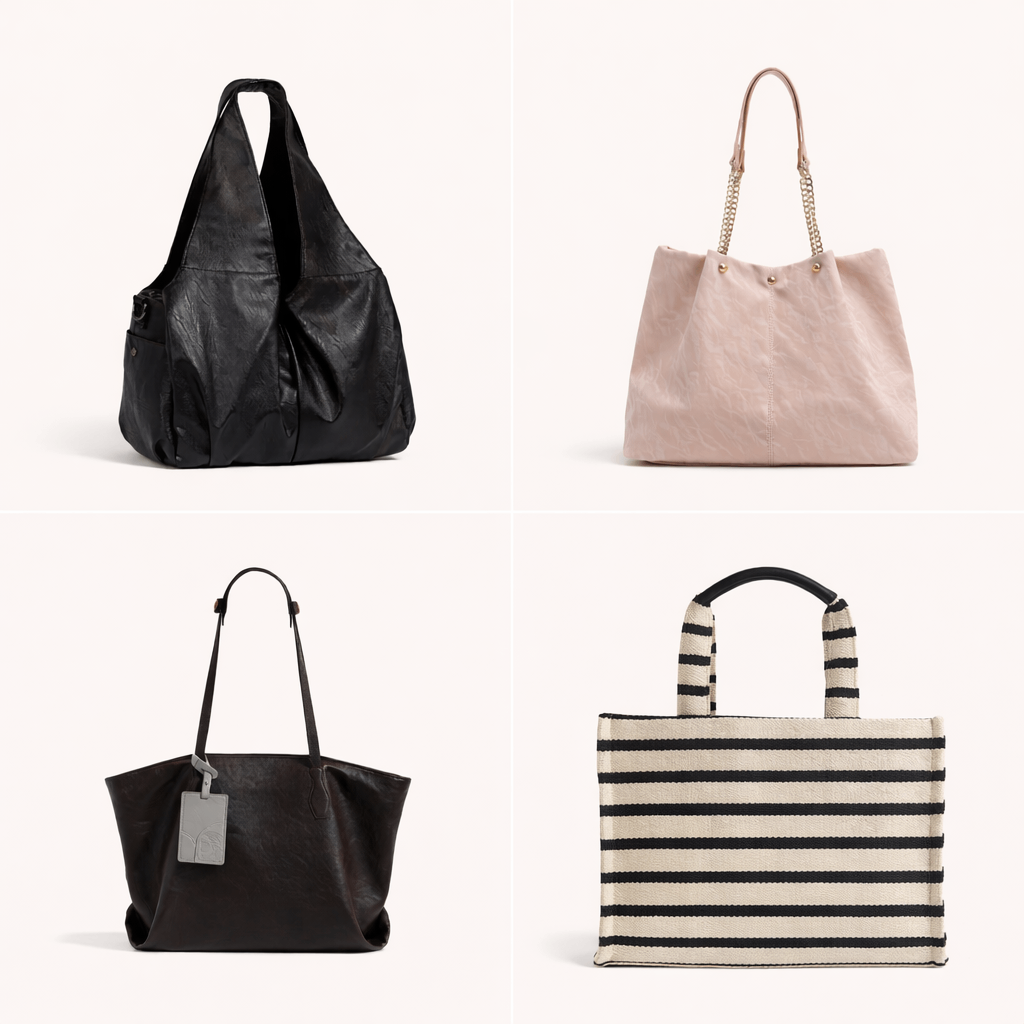
Quote-ready package
Category references
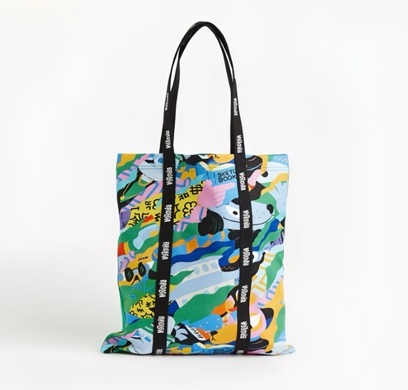
The photo gives the buyer and factory a shared reference for silhouette, carry function, and shelf presentation.
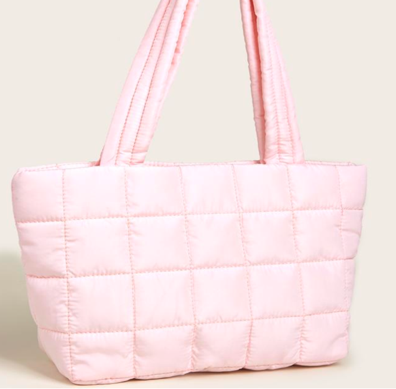
Material, trim, and proportion choices need to be settled before the sample review becomes serious.
Why this page matters
Commercial fit
Work bags, Retail promos, Travel and utility programs
Oversized logo print, Zipper or open-top versions, Recycled material options
Handle reinforcement check, Panel print placement, Seam strength review
Commercial intent map
This page should not behave like a passive article. It needs to separate buyers who are ready for a quote from buyers who still need category, proof, supplier, or cost context before they can send a usable RFQ.
Tote Bags type, target quantity, logo method, destination market, and packing expectation are already known.
The buyer knows the program use case, but still needs to compare MOQ, materials, and category fit for Tote Bags.
The sourcing team needs proof, QC language, sample discipline, and export readiness before it can shortlist a factory.
The project is price-sensitive and needs tradeoffs around material, trims, logo method, packing, and MOQ.
Quote readiness
A buyer with commercial intent wants fewer generic claims and more decision constraints. These are the points that change MOQ, lead time, sample route, QC effort, and final FOB assumptions.
Quantity posture
MOQ decides whether the route should start with sampling, material substitution, or bulk planning.
Sample timing
Sample lead time sets the first realistic checkpoint before bulk price is treated as final.
Bulk timing
Bulk lead time should be checked against launch, event, retail, or shipment deadlines.
Packing method
Packing details affect FOB, carton count, inspection, and retail readiness.
Buyer proof stack
Commercial visitors need evidence they can forward internally: sample decisions, QC checkpoints, packing assumptions, and a clear route from proof to RFQ.
Print or branding area
Handle reinforcement check
Share the destination market in the first RFQ. Labeling, packing, compliance language, carton strength, and freight assumptions can change by market even when the same bag design is used.
Topic cluster hub
These links make the commercial path explicit for search engines and buyers: pillar page, product category, supplier comparison, proof, cost, and quote route should reinforce each other instead of acting like isolated pages.
Review MOQ, materials, pack method, and commercial tote use cases.
Send Tote Bags quantity, destination, logo, packing, and sample requirements when the buying path is ready for pricing.
Compare canvas, recycled fabrics, and other common tote materials.
Review zipper and strap details if the tote design needs more than open-top utility.
Use this pillar when the buyer needs OEM or ODM development across multiple bag categories.
Use this route when the buyer is comparing supplier, factory, and trading-company options.
Use this guide when price depends on MOQ, material, trim, logo method, packing, and lead-time tradeoffs.
Buyer guides
These article links close the loop between search intent and commercial action: buyers can review proof, MOQ, sample, logo, packing, and QC details before sending a quote request.
Material, print, MOQ, packing, carton plan, and deadline inputs for custom tote quotes.
Compare print, embroidery, labels, patches, plates, pullers, and decoration sample checks.
Dimensions, material match, logo placement, zipper function, stitching, packing, and signoff.
Specification base
Quote-ready checklist
QC and production fit
Market fit
Share the destination market in the first RFQ. Labeling, packing, compliance language, carton strength, and freight assumptions can change by market even when the same bag design is used.
Before the RFQ
Read next
FAQ
Decide the use case first: retail, promotional, commuter, or travel utility. That usually clarifies material direction, print area, and handle expectations.
Because artwork method, panel size, zipper construction, and packing rules can change the cost and production flow even when the silhouette looks simple.
Use the tote bag category page next, then the materials guide if the team still needs to compare canvas, RPET, nylon, or coated options.