China sampling and Cambodia production for custom bag buyers
This route explains the Connect5 difference: use China-side sample development for technical decisions, then move approved programs into Cambodia production when volume and export planning matter.
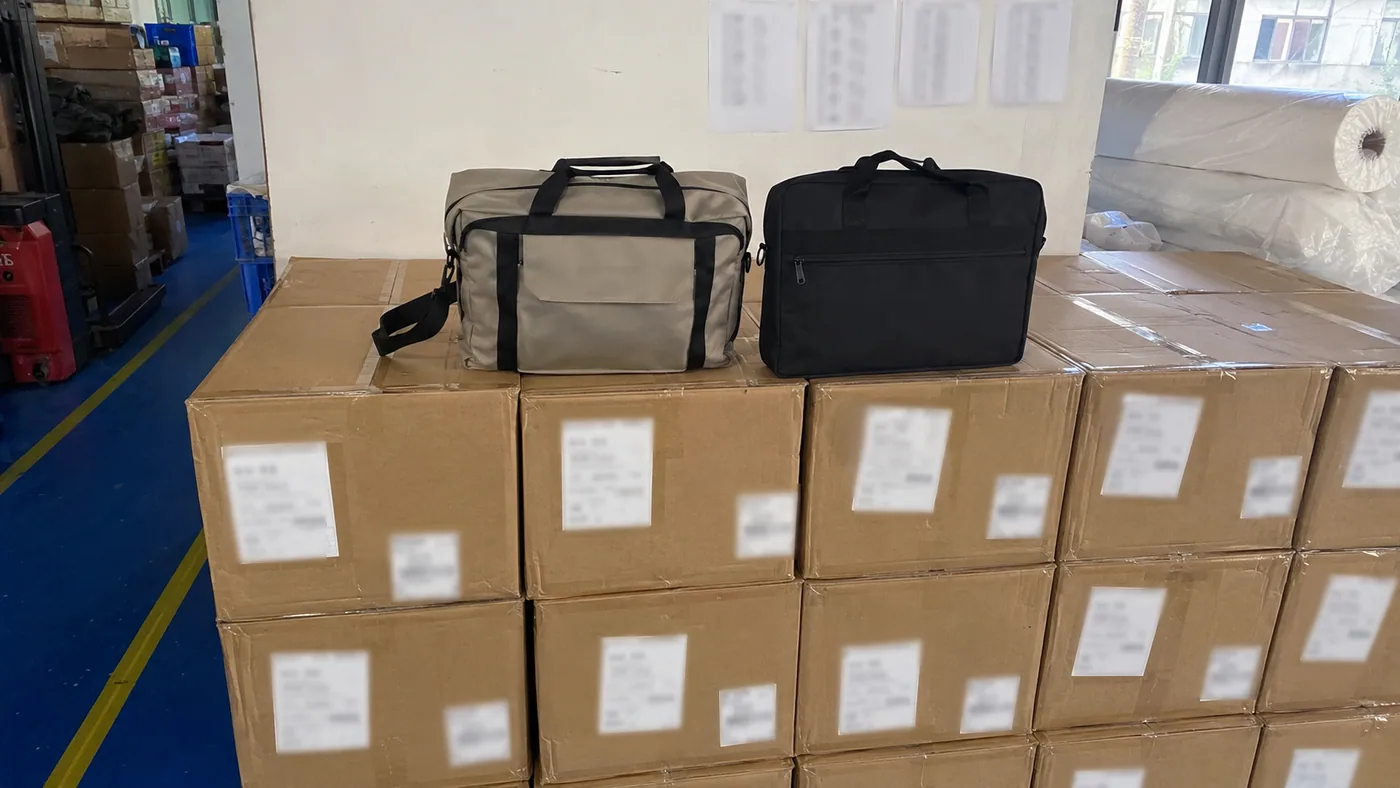
Illustrative application visualConcept image only; not Connect5 factory, production, QC, certification, shipment, or capacity evidence.
Illustrative handoff-planning visual
China sampling plus Cambodia production needs a documented handoff plan
This concept visual explains the page narrative: approved samples, packing context, export cartons, and handoff records should connect development decisions to bulk production.
Asset sections
Bring this into the RFQ before the brief drifts
Why China sampling matters
Sampling needs quick material, trim, pattern, and construction feedback before bulk production decisions are locked.
Pattern and sample revision
Material matching
Trim and hardware review
Pre-production sample approval
Why Cambodia production matters
After sample approval, larger export programs need a stable production and packing route.
Bulk production planning
Export pack-out
Repeat order support
Duty-sensitive route discussion
Where buyers benefit
The split is most useful when the buyer needs custom development plus a scalable export path.
Private label programs
Retail replenishment
Larger seasonal launches
Sourcing-team proof requirements
Reference table
What the buyer checks and what the factory should prove
Item
Buyer check
Factory evidence
Concept and first brief
Category, quantity, market, reference, and material direction
Development review and first reply
China sample stage
Pattern, trim, material, logo, and construction decisions
Sample photos, swatches, and revision notes
Approval handoff
Approved sample, packing instruction, QC criteria, and final quote
Pre-production record and production plan
Cambodia bulk stage
Production line, packing, carton, inspection, and export flow
Production updates and shipment-release check
Copy checklist
Points to cover in the next buyer-supplier call
Use China-side development for sample decisions and material/trim confirmation.
Move only approved and commercially realistic programs into bulk planning.
Confirm packaging, QC criteria, destination market, and shipment terms before production.
Use Cambodia production when volume, repeat order planning, or export route sensitivity matters.
Keep the approved sample and packing standard visible through final inspection.
Embed this supply-chain explainer
Cite the asset page, not an image file
If another site references this asset, the link should point to the full page so buyers see the context, checklist, and RFQ route.
<a href="https://connectbags.com/china-sampling-cambodia-production/">China sampling + Cambodia production route for custom bag manufacturing</a>
Questions that come up before the factory conversation
Why use China for sampling and Cambodia for production?
China-side sampling supports faster technical development, material matching, trim confirmation, and sample revision. Cambodia production supports larger export-oriented programs after approval.
Does every order need Cambodia production?
No. The route depends on volume, category, timing, destination market, and commercial fit. Some projects may stay simpler, while larger programs benefit more from the split.
What should buyers confirm before moving to bulk production?
Confirm approved sample, material, trims, logo method, packaging, QC criteria, destination market, trade term, and shipment-release expectations.
Essential site functions stay on. Analytics, marketing measurement, and live chat session storage are optional and can be changed later. Privacy policy